










There is also a specific way in which Holika Dahan takes place. A log of wood is kept in a prominent public place on the Vasant Panchami day, almost 40 days before the Holi Festival. People go on throwing twigs, dried leaves, branches of trees left through the winter besides any other combustible material they can spare, on to that log which gradually grows into a sizable heap. On the day of Holika Dahan an effigy of Holika with child Prahlad in her lap is kept on the logs. Usually, Holika's effigy is made of combustible materials, whereas, Prahlad's effigy is made of non-combustible one. On the night of Phalguna Purnima, it is set alight amidst the chanting of Rakshoghna Mantras of the Rig Veda (4.4.1-15; 10.87.1-25 and so on) to ward off all evil spirits.
Next morning the ashes from the bonfire are collected as prasad and smeared on the limbs of the body. If spared by the fire coconuts are also collected and eaten.
Metaphorically though, the fire is meant to signify the destruction of evil - the burning of the 'Holika' - a mythological character and the triumph of good as symbolised by Prahlad. However, the heat from the fire also depicts that winter is behind and the hot summer days are ahead.
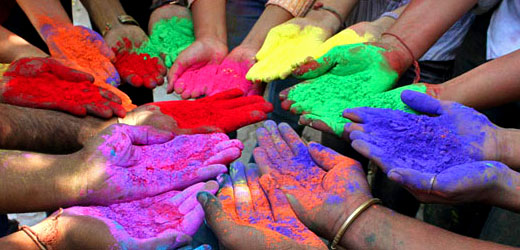
Next day after Holika Dahan is called Dhuleti, when play with colours actually takes place.










 CID
CID
 Anupamaa
 Haven For Her

